Living in a Caravan in Australia: Costs, Rules, Pros & Cons
November 2, 202611 min read
It is possible to live in a caravan in Australia at an affordable price. However, the actual savings depend on where you stay, how often you travel, and whether you own the caravan already.
A couple living in a caravan park may spend less than they would renting a house, while someone who travels regularly may spend more on fuel, accommodation, and maintenance. A caravan on private property may also have legal restrictions, particularly if you plan to live there.
In this guide, you will learn about the costs associated with full-time caravan living, Australian rules, suitable places to stay, essential utilities, and the advantages and disadvantages associated with making a caravan your home full-time. If you’re still comparing models, browse new and used caravans to see what’s on the market.
As long as your accommodation arrangement complies with the requirements of the applicable state, territory, and local council, you can live in a caravan full-time in Australia.
Certain private property arrangements may be permitted under specific conditions in caravan parks, while others accommodate permanent residents.
A caravan or a block of land does not automatically give you the right to live there permanently.
A person living in a caravan park as their main residence in Victoria may qualify as a caravan park resident through written permission or after 60 consecutive days of non-holiday occupation.
Depending on the conditions, local governments in Western Australia can approve temporary caravan accommodation on private land for up to 24 months.
Before making a move, verify where you can legally stay.
How Much Does It Cost to Live in a Caravan in Australia?
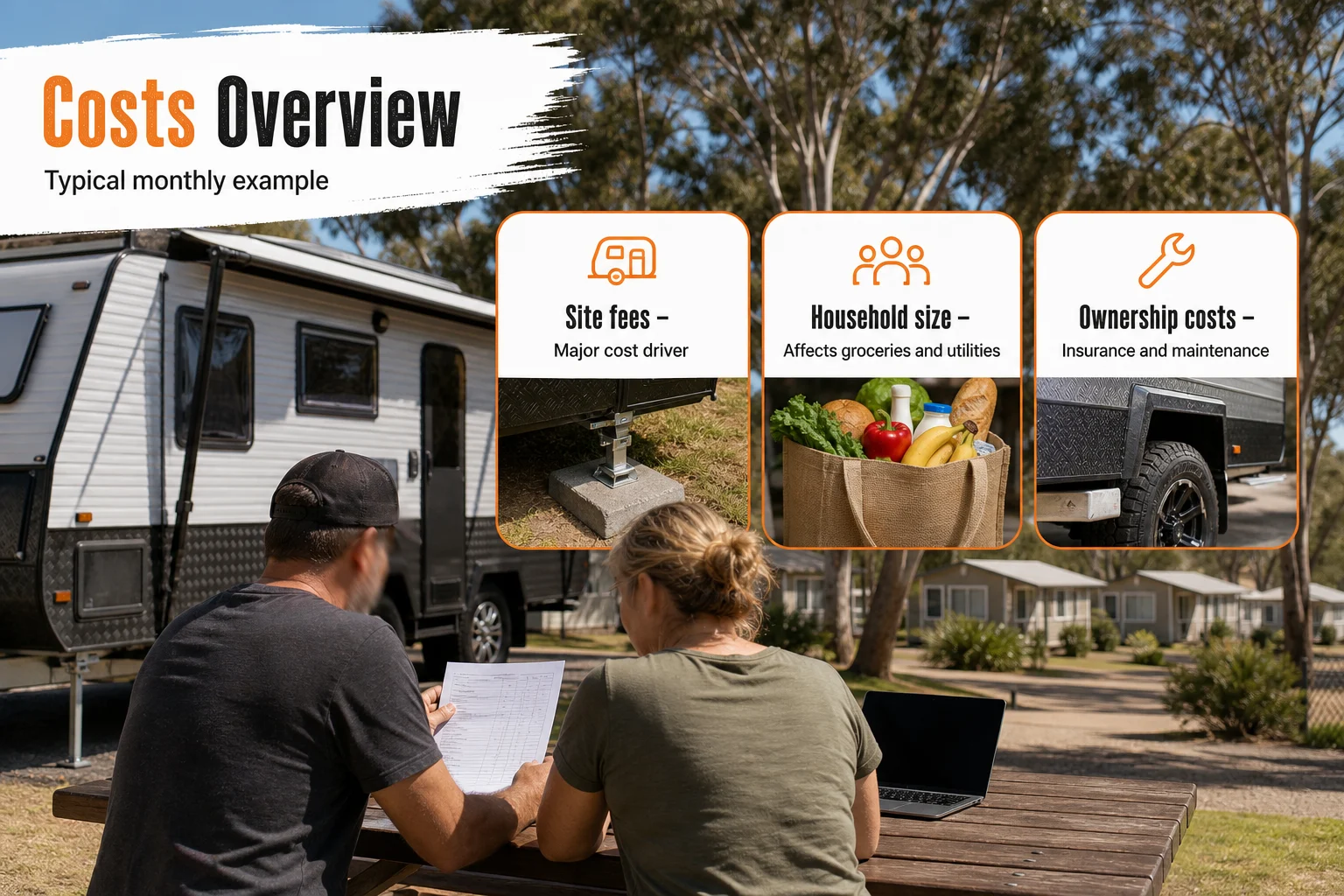
Site fees, household size, travel habits, and ownership costs such as caravan insurance costs determine the cost of living in a caravan.
The following example assumes two adults living in an already-owned caravan such as caravans under 2,500kg ATM at a long-term site with limited travel.
Estimated Monthly Living Expenses
Expense
Monthly Budget (AUD)
Caravan park site fees
$1,083
Groceries and household supplies
$600
Electricity and gas
$120
Insurance
$100
Internet and mobile plans
$90
Maintenance allowance
$150
Fuel and local transport
$250
Total Monthly Budget
$2,393
Annual Budget
$28,716
This is an example of a household budget, not a national average. A $1,083 monthly site fee is based on $250 per week multiplied by 52 weeks and divided by 12. Rather than surveyed Australian expenditure, other figures represent planning allowances. The costs of buying a caravan, finance, registration, major repairs, and some water or waste charges are not included.
Depending on the site fees, it can make a substantial difference. The increase of $100 per week adds $5,200 to your annual accommodation costs.
How Much Do Caravan Park Fees Cost?
In addition to location, facilities, park policies, and season, long-term site fees will vary as well.
Here are some hypothetical weekly fees and how they affect your accommodation budget:
Weekly Site Fee
Monthly Equivalent
Annual Cost
$150
$650
$7,800
$200
$867
$10,400
$250
$1,083
$13,000
$350
$1,517
$18,200
$450
$1,950
$23,400
It is important to note that these are fee scenarios for comparison, not claims about what prevailing caravan park prices are.
Be sure to ask if electricity, water, laundry access, and other services are included before selecting a park. You should also confirm that long-term residency is allowed.
Is Living in a Caravan Cheaper Than Renting?
Living in a caravan can be cheaper than renting, particularly if you own the caravan outright and have access to an affordable site. If you’re still weighing formats, see our caravan vs motorhome comparison.
As an example, consider the following:
Housing Expense
Caravan
Rental Home
Weekly accommodation cost
$250
$500
Annual accommodation cost
$13,000
$26,000
Annual difference
$13,000 less
—
Rental amount is a hypothetical comparison, not a current national median rent.
This example shows that the caravan has a $13,000 accommodation advantage, but that is not the household’s total saving. A caravan’s insurance, maintenance, depreciation, registration, and any finance repayments should also be considered alongside renting expenses.
Through lower accommodation expenses, the $60,000 upfront investment can take years to recover. If you plan to sell later, first check how much is my caravan worth and then sell my caravan online.
Where Can You Legally Live in a Caravan?
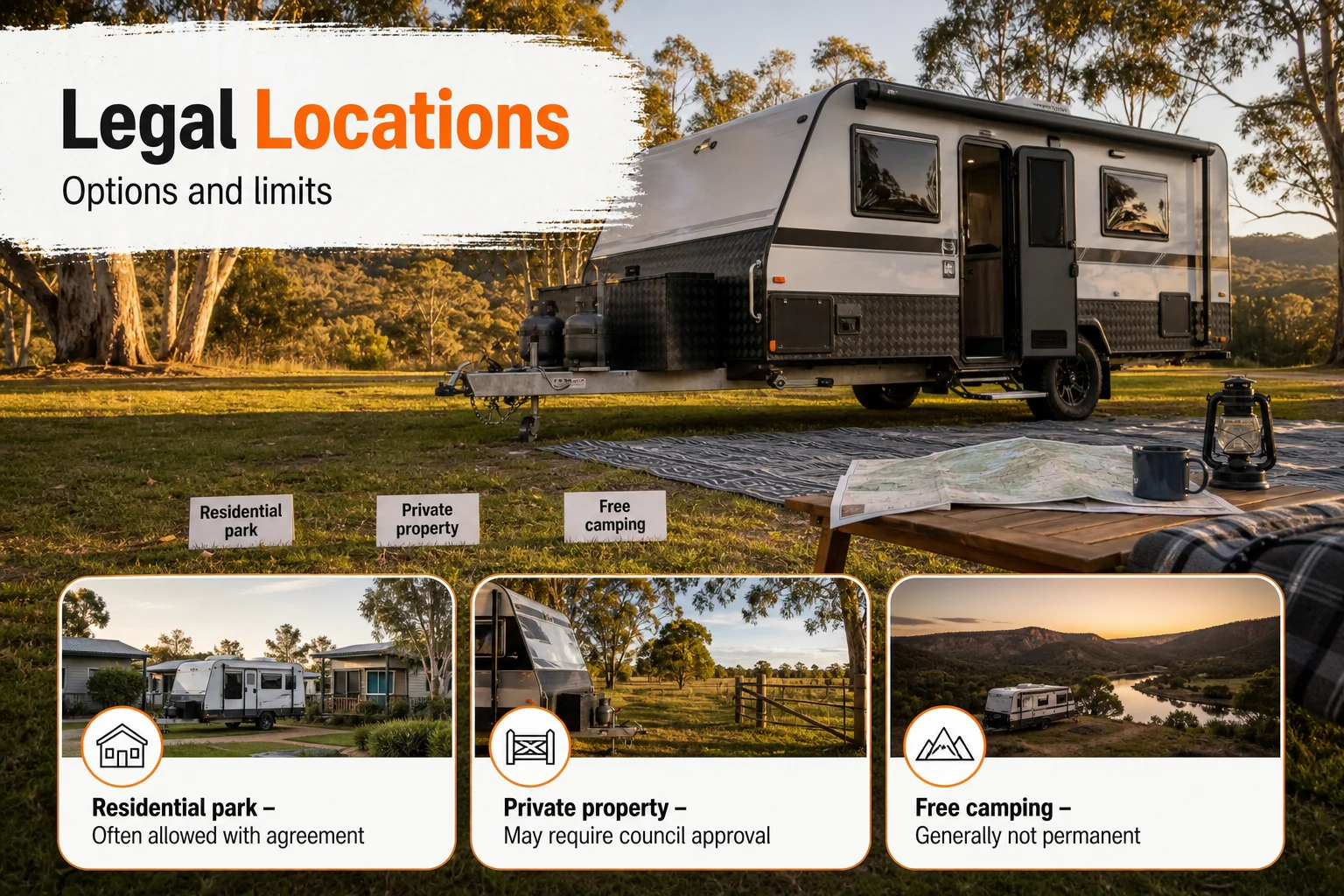
Australians can live in a caravan in several ways, but each comes with different restrictions and costs.
Location
Suitable for Full-Time Living?
Main Consideration
Residential caravan park
Often, where permitted
Site agreement and ongoing fees
Holiday caravan park
Depends on park policy
Stay limits and seasonal pricing
Private property
Sometimes
Council rules and landowner permission
Your own land
Sometimes
Planning, building and sanitation requirements
Free camping areas
Generally not for permanent residence
Maximum stays and land-management rules
Long-Term Caravan Parks
Many residential caravan parks provide electricity, water, showers, laundry facilities, and waste disposal.
Accommodation expenses can be more predictable in some parks because they offer longer-term agreements.
A holiday park may not accept permanent residents, and fees may increase during busy seasons.
Living in a Caravan on Private Property
It can be possible to reduce site fees by living on private land, but this arrangement must be legal.
You may need approval for your length of stay, land use, sanitation and associated structures depending on your location.
Council requirements still apply if a friend or family member grants you permission to park on their property.
Living in a Caravan on Your Own Land
The ownership of land does not automatically permit the permanent occupation of a caravan.
An arrangement permitted on a property with an existing house may not be permitted on a vacant property.
Check the land’s zoning, applicable planning controls, wastewater requirements and any time limits before purchasing it for caravan living.
Free Camping
Camping for free is useful for short stays while traveling, but many places restrict how long you can stay.
In addition to local signage and campground conditions, you should follow the waste disposal rules.
In general, a lawful residential site or a private-property arrangement provides more stability for permanent living.
Caravan Living Rules by Australian State
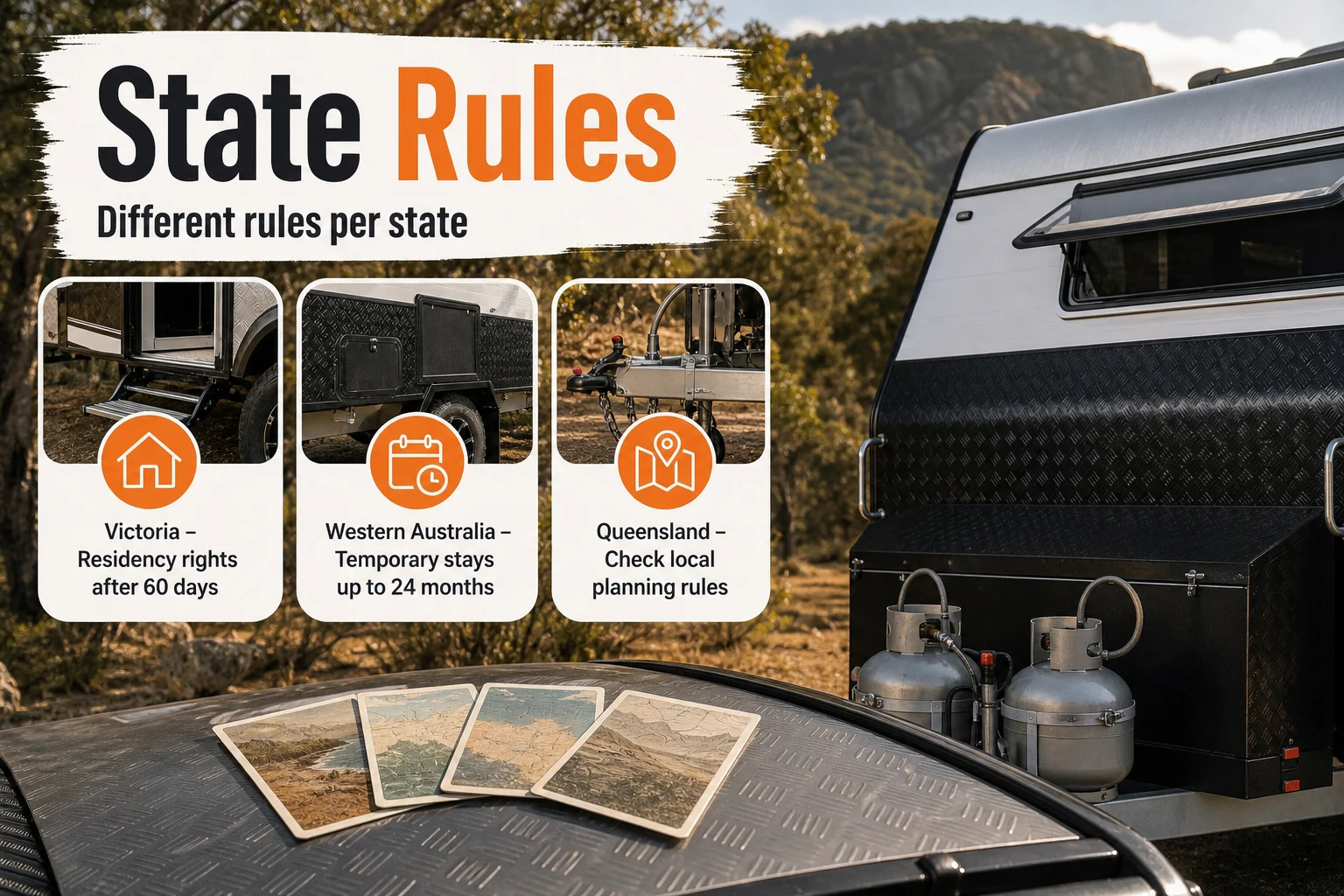
RV living rules differ across Australia. In the following examples, we will show why you should check the requirements for your specific property and local council.
State
Relevant Rule or Example
What It Means
Victoria
Caravan park residency rights can apply after 60 consecutive days of qualifying occupation or through written permission.
Permanent park residents may have legal protections distinct from holidaymakers.
New South Wales
Private-property caravan occupation can fall under specific exemptions, approvals or planning controls.
The permitted arrangement depends on the circumstances and relevant regulations.
Queensland
Councils regulate temporary accommodation and land use under applicable local planning and building requirements.
Check the council before occupying a caravan on private land.
Western Australia
Local governments can approve temporary caravan accommodation on private land for up to 24 months.
Approval and health and safety conditions apply for longer stays.
South Australia
Planning and local council requirements can apply to residential caravan use.
Check whether the proposed occupation is permitted.
Tasmania
Local planning schemes and council requirements may regulate caravan occupation.
Check the property-specific requirements before moving in.
The Northern Territory and ACT have their own requirements. Each state’s or territory’s legislation is not summarized in these examples.
Two Important Legal Examples
The Department of Consumer Affairs of Victoria explains that caravan park residency protections apply where the park is the main residence of a person.
Depending on the owner’s permission, a short private property stay of up to five nights will be allowed in Western Australia under the temporary accommodation framework. Approval may be required for longer stays, with approvals potentially extending to 24 months.
There are different rules for different situations; the Western Australian allowance is not available nationwide.
You should verify the permitted duration of stay, whether an approval is required, and what sanitation and safety standards must be met before you move into a location.
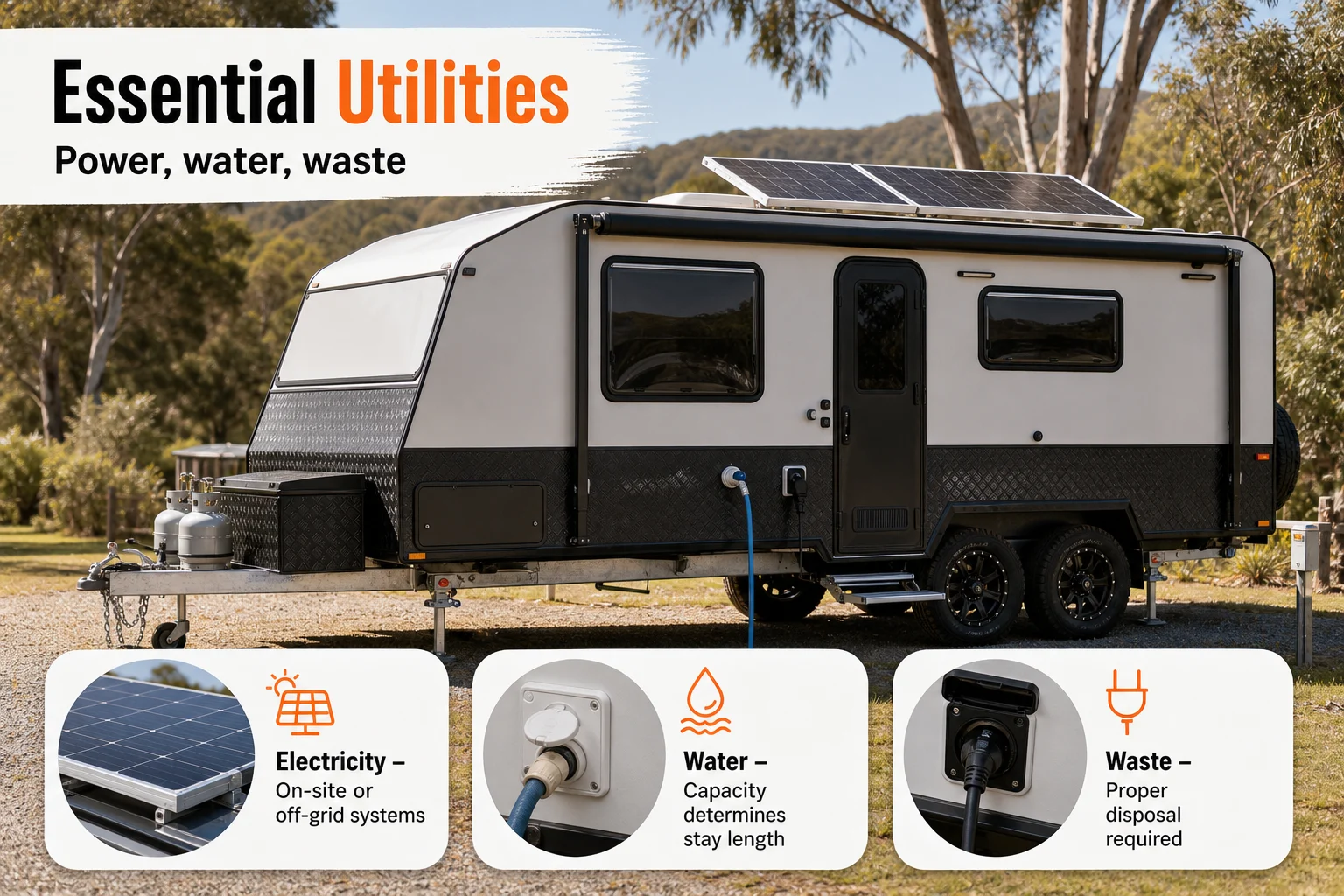
Essential Utilities for Full-Time Caravan Living
If your caravan becomes your main home, electricity, water, and waste management are especially important.
Electricity and Solar Power
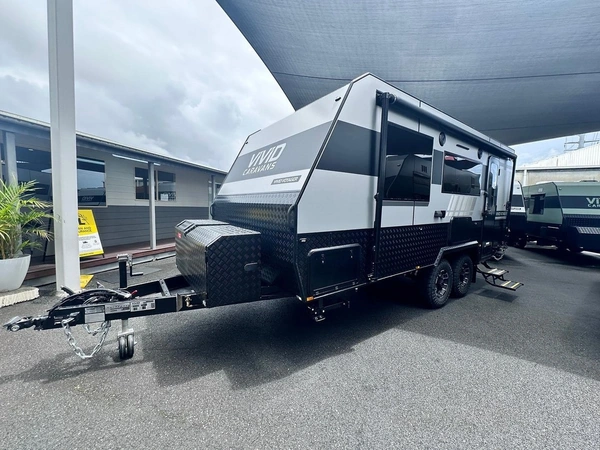
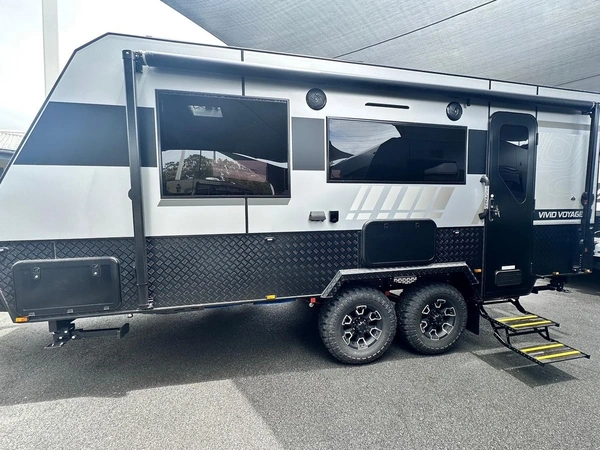
A caravan park site with electricity can simplify access to electricity. A system that can meet your daily power needs is essential if you intend to stay off-grid. If you expect to tackle corrugations or unsealed roads, browse off-road caravan listings.
Planning unsealed-road travel while living long-term? Off-road builds add clearance, protection and payload for remote stays.
For example, consider this daily 12V-equivalent energy demand:
Appliance
Example Daily Energy Use
Efficient fridge
500 Wh
LED lighting
100 Wh
Laptop and device charging
200 Wh
Water pump and small devices
100 Wh
Total
900 Wh
A caravan's consumption is not measured; these are illustrative assumptions.
The nominal energy stored by a 200Ah lithium battery rated at 12.8V is approximately 2,560Wh. This is around 2,048Wh at an assumed 80% usable capacity.
It can theoretically operate without charging for approximately 2.3 days at 900Wh per day. Battery specifications, inverter losses, temperature, and appliance use affect actual performance.
Consumption can be substantially increased by air conditioning, electric cooking, and heating; review off-grid caravan features to size your system.
Water Supply
It is the capacity of the water that determines how long you can go without refilling.
As an example, suppose two adults use 40 litres of water per day for drinking, cooking, washing, and short showers.
A caravan with 160 litres of usable freshwater storage would have the following:
4 days' worth of water is 160 litres times 40 litres per day.
A conservation-based planning example, not an average Australian water use figure.
As a reference point, Australian Bureau of Statistics data shows that average household water consumption was approximately 174 kilolitres per day in 2023–24, or around 477 litres per household. This figure includes typical household uses and is not directly comparable to off-grid caravan consumption.
Toilets, Wastewater and Internet
In a caravan with onboard toilet and shower, daily living is more convenient, but waste tanks must be emptied regularly at appropriate disposal sites.
Depending on local regulations, greywater and toilet waste must be managed.
A consideration for remote workers is internet access. Especially in regional Australia, check mobile network coverage before committing to a long-term location.
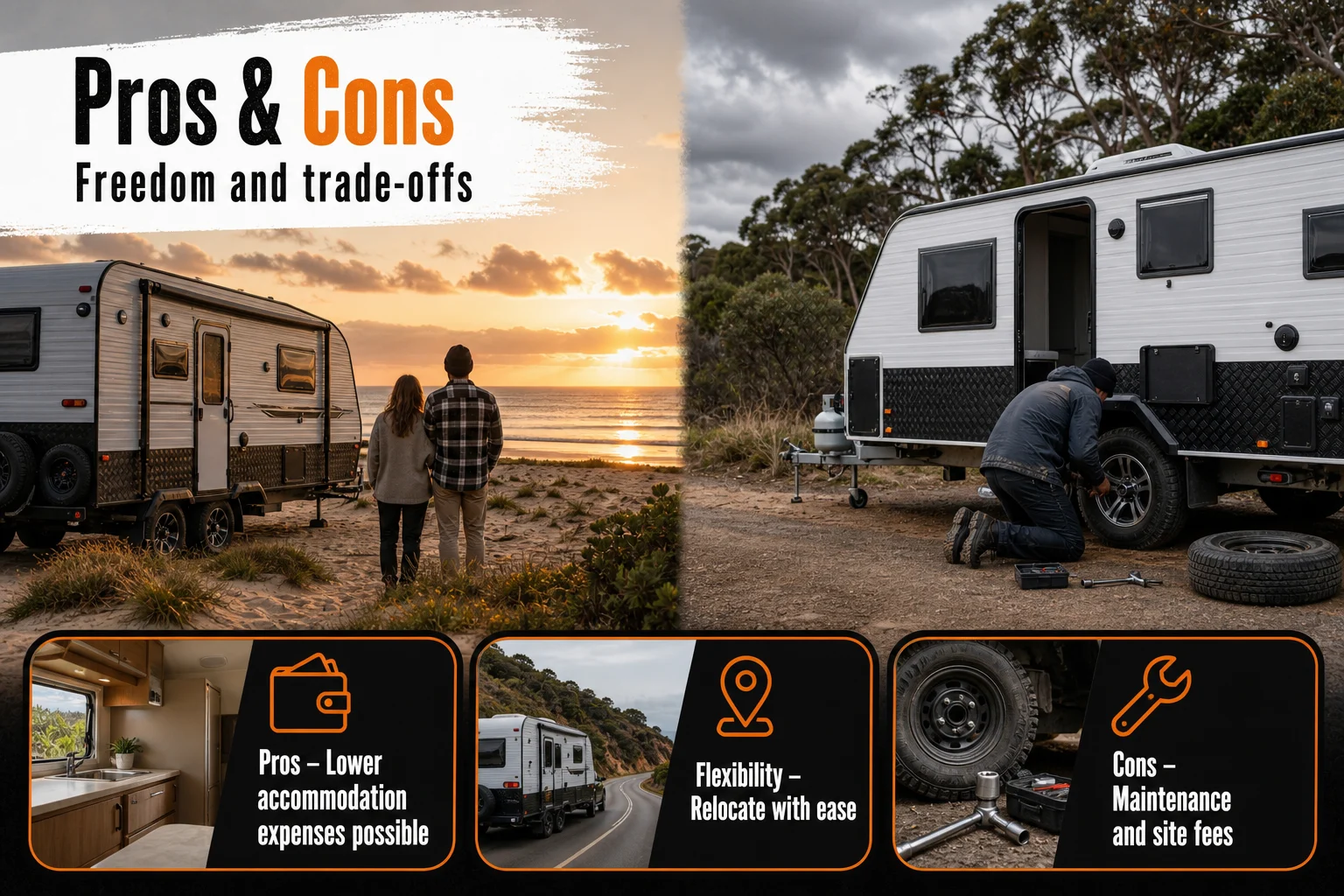
Pros and Cons of Living in a Caravan
Living in a caravan full-time offers freedom and flexibility, but also compromises. For travel-focused setups, compare touring caravan options.
Pros
Cons
Potentially lower accommodation expenses
Site fees and maintenance still add up
Flexibility to relocate
Towing and moving can be expensive
Smaller space to maintain
Limited storage and privacy
Opportunities to travel Australia
Accommodation and camping restrictions
Potentially lower household energy consumption
Extreme temperatures can affect comfort
Simpler lifestyle
Ongoing water, waste and power management
Flexibility is one of the biggest advantages. Depending on your circumstances, you can stay in one location or travel between destinations.
Limited living space can, however, become challenging during prolonged rain or extreme temperatures. When your caravan is your only home, repairs can be disruptive.
What to Consider Before Moving into a Caravan
Assess both the caravan and the accommodation arrangement before committing to full-time caravan living.
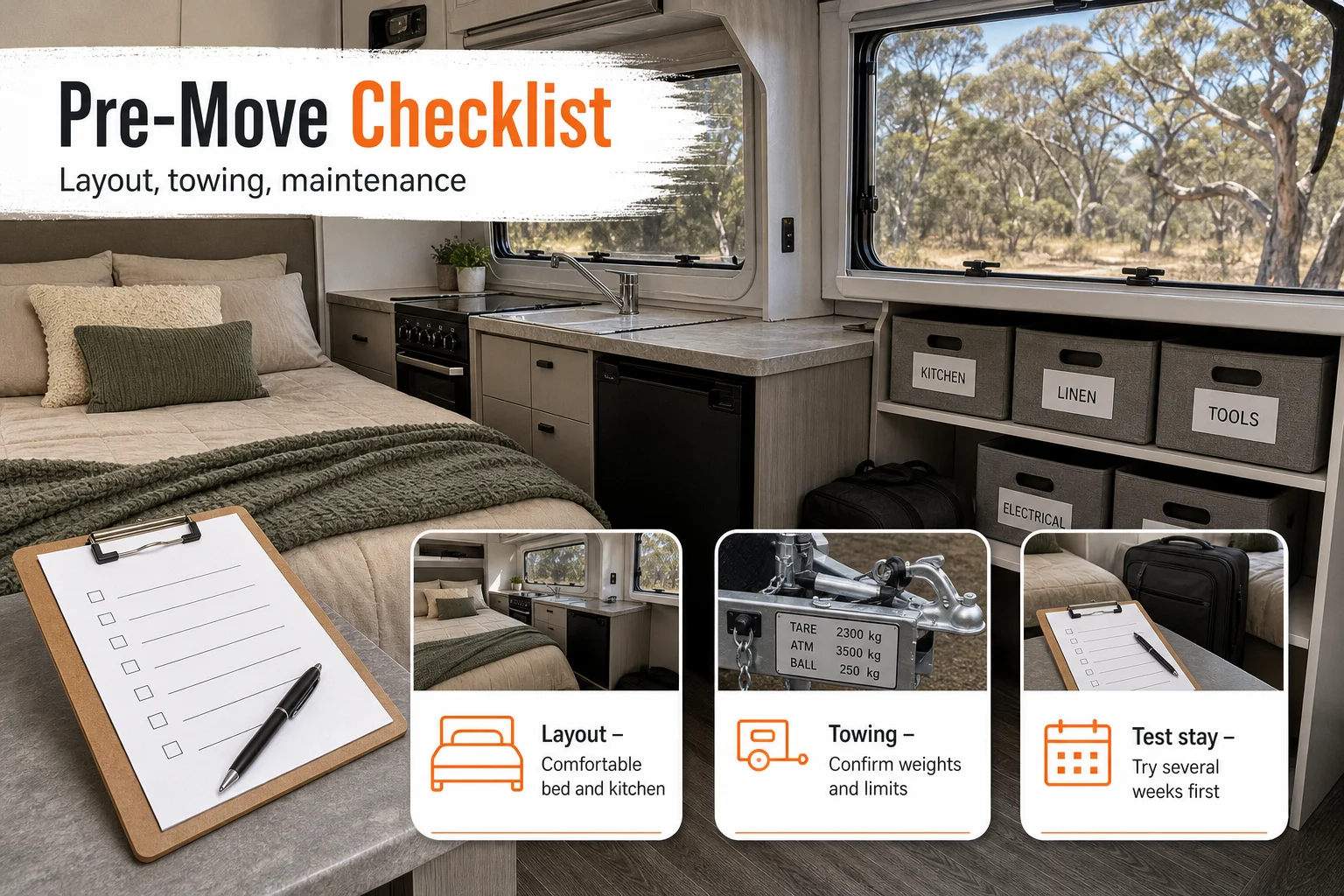
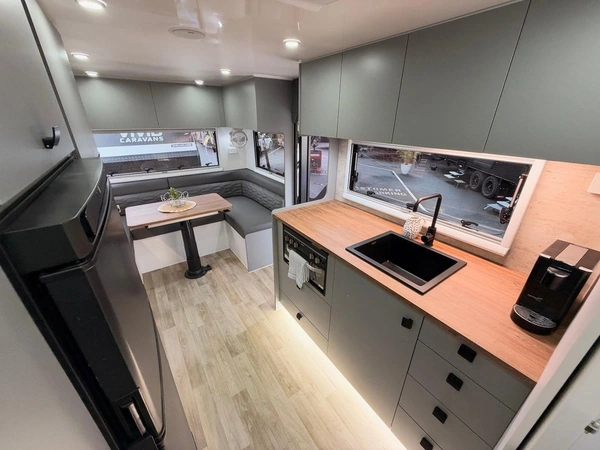
Choose a layout that is practical. It is more important to have a comfortable bed, a functional kitchen, adequate storage facilities, and a suitable bathroom for daily living than for occasional holidays. These best touring caravans show a range of everyday-friendly designs.
Prefer an easy-to-live-in setup that tows well? Touring layouts balance comfort with practicality.
Check the compatibility of the towing system. Confirm the caravan's loaded weight, aggregate trailer mass (ATM), tow-ball download, and towing vehicle's relevant limits before you travel. For clarity on weight terms, see caravan weights explained, and brush up with towing for beginners.
Maintenance budget. The seals, tyres, brakes, appliances, and electrical systems need regular maintenance. For major repairs, keep an emergency fund.
First, test the lifestyle. A trial stay of several weeks can reveal whether you are comfortable with the facilities and the available space. If you're brand new, this first caravan trip guide can help you prepare.
Please confirm your accommodation. You should verify residency permission, site fees, utilities and any required council approvals before moving into a new location if you plan to reside in one location.
Final Thoughts
While caravan living can be a practical alternative to traditional housing, affordability depends heavily on site fees, caravan ownership costs, and travel habits. When you’re ready to compare options, see all caravan listings.
You should compare your total annual expenses before moving, ensure that your caravan is equipped for everyday comfort, and confirm where you are allowed to live legally.
Living in a full-time caravan with a suitable caravan, a realistic budget, and an approved place to stay can be more flexible than living in an apartment.
Share this article
Frequently asked questions (FAQs)
Ready to Find Your Dream Caravan?
Explore thousands of caravans for sale across Australia and start your journey in style.
Looking to buy? Browse caravans for sale from dealers and private sellers across Australia, with listings available by make, model, price, location and caravan type.
Ready to sell? Visit Sell My Caravan to advertise your caravan for just $49 incl. GST. Your listing stays live until sold, helping you connect with potential caravan buyers across Australia.
Explore Other Travel Options
Still deciding which travel setup suits you? Browse motorhomes for sale for a vehicle with integrated living space, or explore campervans for sale for a more compact option. For a towable camping setup, compare camper trailers for sale across our other marketplaces.
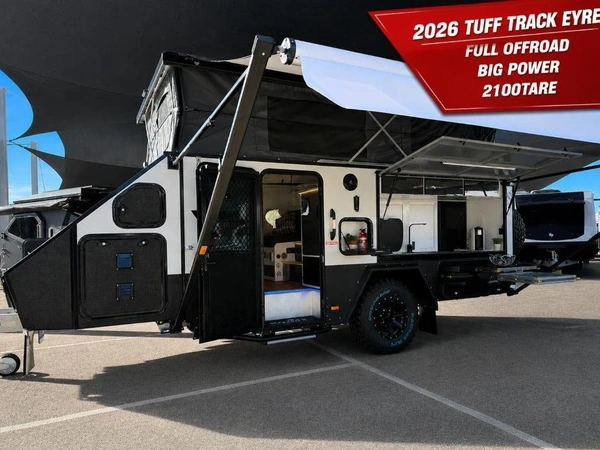
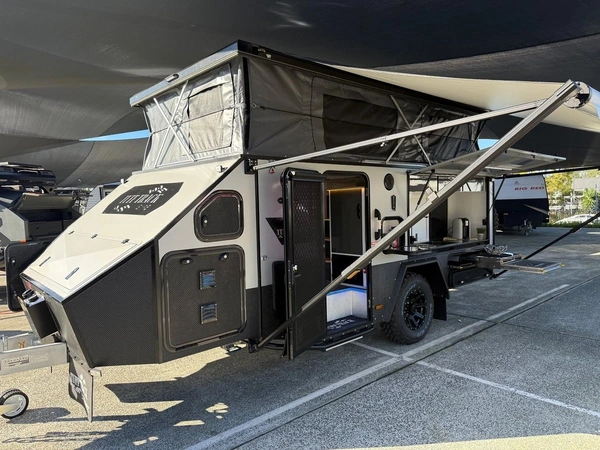
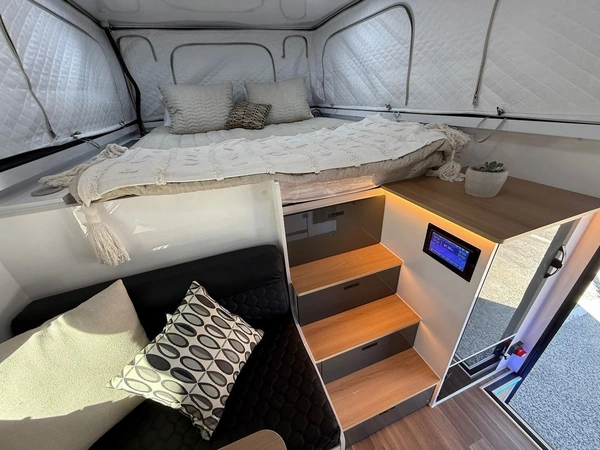
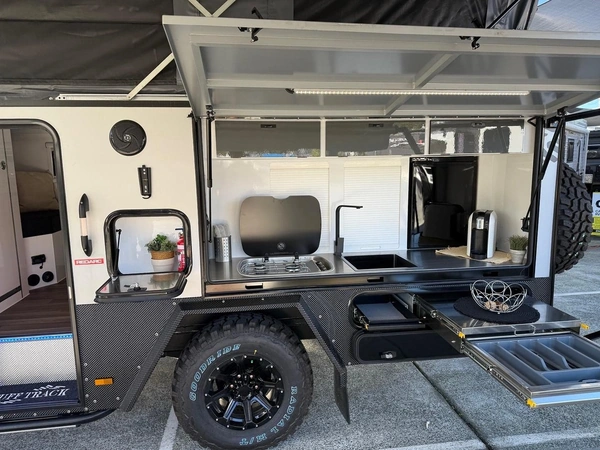
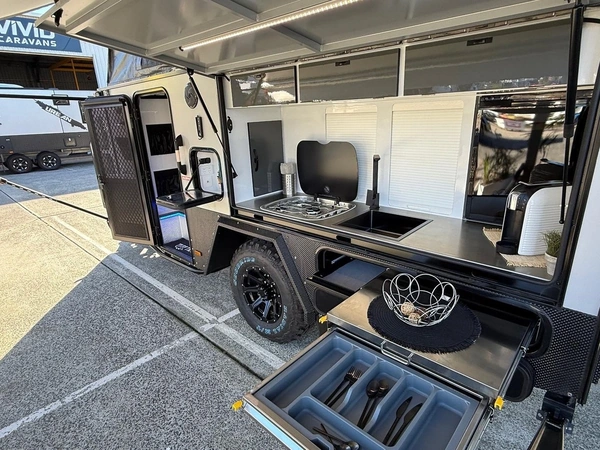
 Off Road Caravan
 3,000 Kg
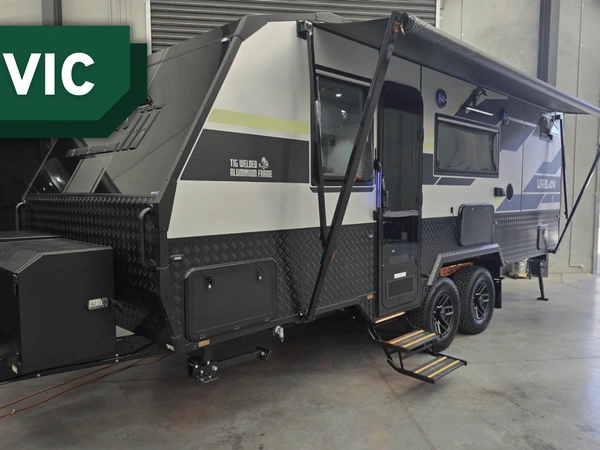
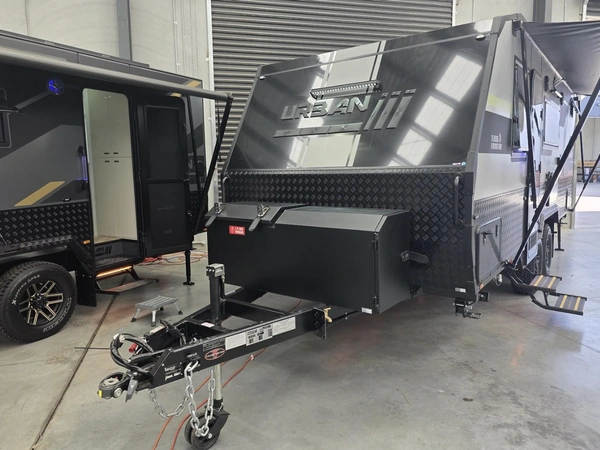
 21 ft (6.4m)